
Obsolescence Management
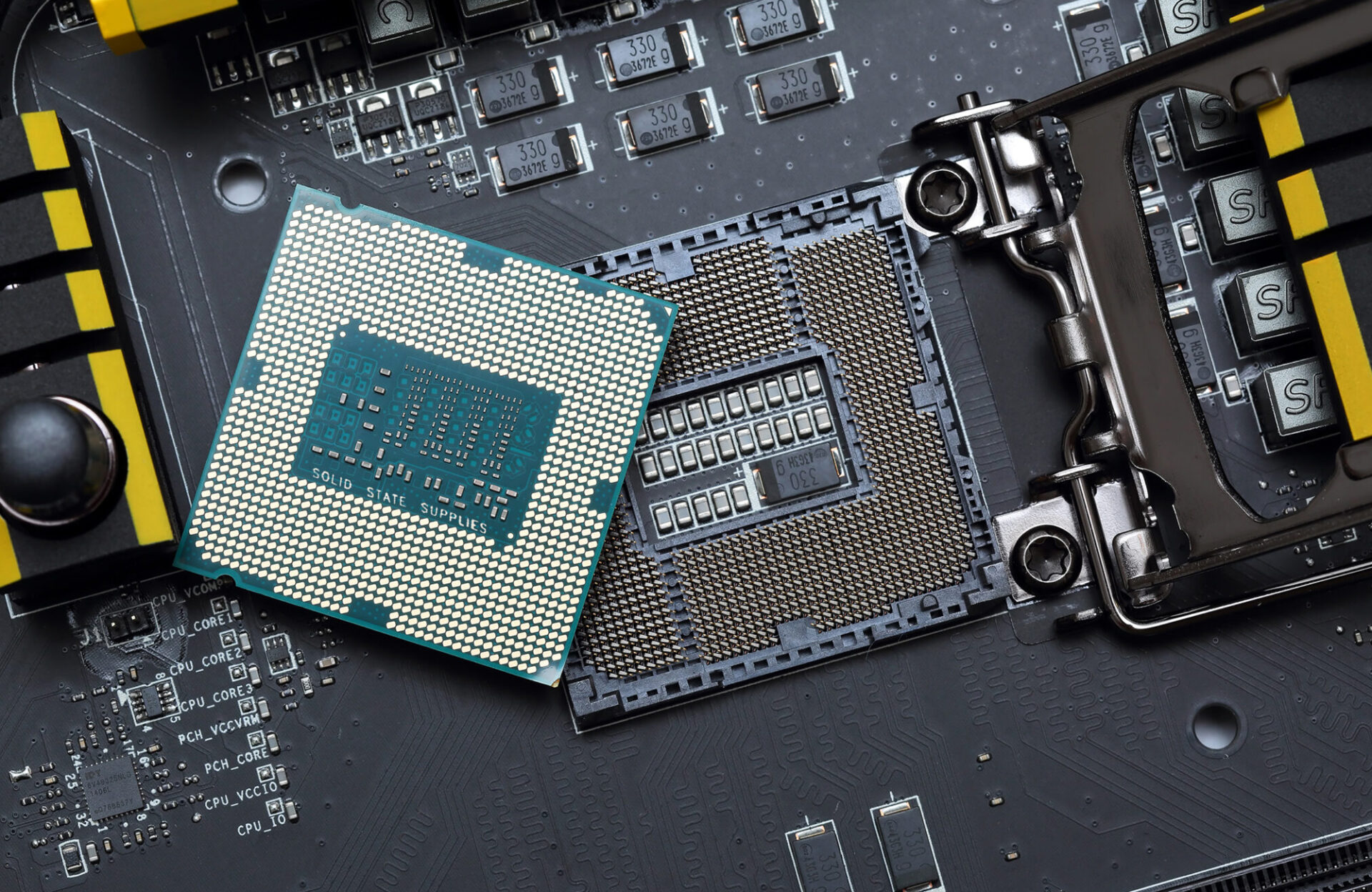
Obsolescence Management is critical for sustaining long-life computing systems and components. Proactive lifecycle planning reduces downtime, controls costs, and mitigates operational risk across mission-critical environments.
Our approach includes designing out obsolescence, engineering‑led assessments, and planned tech refresh pathways that maintain compliance, security, and availability.
Obsolescence Risk
(Hardware, Firmware, Software)
Obsolescence Drivers
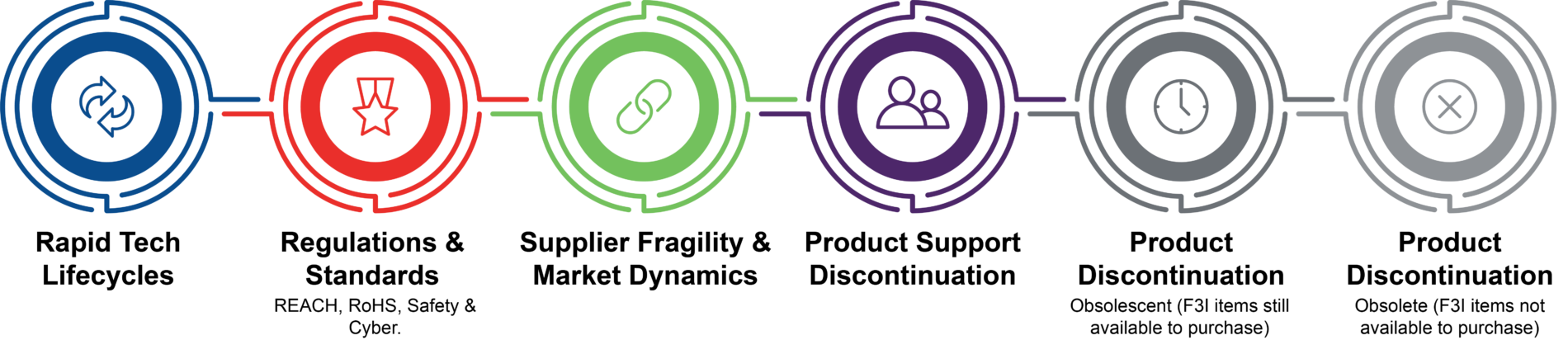
Modern defence platforms, medical devices and transport infrastructure often contain hundreds or thousands of components. A single obsolete or unsupported item can impact legislation or tolerance certification, cybersecurity, interoperability, and operational availability. Drivers include rapid tech lifecycles, regulatory shifts, product and product support discontinuation, and regular software support requirements.

Moving from Reactive to Proactive Management
Legacy approaches rely on obsolescence resolution substitutions that trigger urgent sourcing, unplanned redesign, and increasing schedule/cost impacts.
Strategic Obsolescence Management (OM) replaces reactive actions with forecasting and alignment to maintenance periods, and planned update/upgrade windows. This enables obsolescence mitigation, rather than the often more expensive resolution.
Mitigation is normally less costly than resolution, but resolution can still be planned to reduce cost and impact. The later you leave it to resolve an obsolescence issue, the more costly the solution becomes.
Steatite’s Approach to Obsolescence Management
Steatite’s obsolescence approach follows the internationally recognised principles detailed in BS EN IEC 62402‑19. These principles are tailored to project specific, mission‑critical realities:
- Continuous monitoring, resulting in early identification.
- Engineering‑led impact assessments.
- Structured, auditable decision‑making aligned to programme governance and configuration control.
Our Strategic OM Approach involves continuous monitoring of component lifecycles, supplier roadmaps, and market trends. However, monitoring alone is insufficient. The key is translating insight into actionable strategies.
Design to Mitigate Obsolescence
- Lifecycle risk assessment during system design.
- Approved vendor lists with second-source options.
- Modular and open architecture, enabling independent sub-system or component upgrades.
- Updates/upgrades/tech refreshes planned into maintenance and upkeep lifecycle.
- Strategic Life of Need Buys (Last Time Buys and Bridge Buys) aligned with projected demand.
- Fit Form Function & Integration (F3I) replacements identified through proactive monitoring and global supply chain reach.
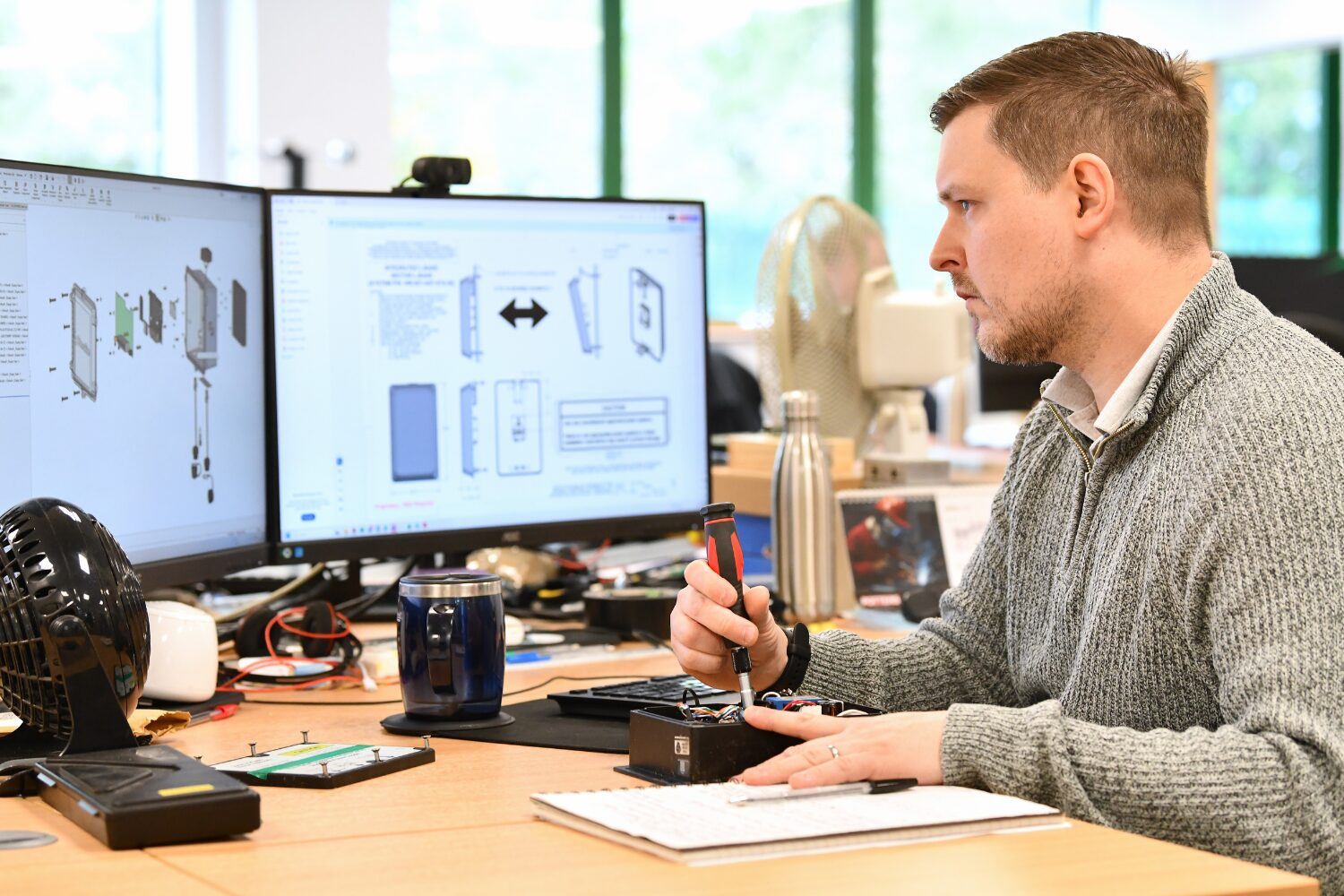
The dedicated Steatite Obsolescence Manager ensures Strategic OM begins with visibility and foresight. The Through-Life Support (TLS) service requirements are effectively ‘baked in’ to the TLS operation, maintenance and upkeep programme. To enable this, our Obsolescence Manager can generate bespoke, tailored Obsolescence Management Plans (OMPs) to meet each product, project and customer’s specific OM requirements.
By integrating these practices from design concept through to disposal, products can avoid disruptive redesigns and maintain system integrity over time.
Through‑Life-Support Integration
Obsolescence Management does not operate in isolation. It’s a core component of a broader TLS strategy, particularly for systems deployed in harsh or regulated environments where ongoing maintenance, updates and upgrades are essential throughout operational life.
A comprehensive through‑life services model combines multiple Integrated Logistics Support (ILS) disciplines to keep systems reliable, compliant and supportable over long lifetimes.
As a Design, Manufacturing and TLS Service Provider, Steatite integrates proactive obsolescence monitoring and mitigation, refresh planning, maintenance strategies, configuration control and end‑to‑end assurance, providing continuity from design through to product and customer specific, tailored TLS service packages.

Contains public sector information licensed under the Open Government Licence v3.0
Sustainment Engineering
This enables controlled, incremental changes rather than disruptive redesigns. By continuously adapting to issues such as component obsolescence, cybersecurity updates, or shifting operational requirements, it ensures updates are implemented without compromising overall system integrity.
Configuration Management
This is equally critical, providing the foundation for traceability and compliance. In regulated environments it is essential to understand exactly what has changed, when, and why. Effective configuration management ensures all updates are documented and auditable, supporting certification requirements, whilst providing engineering teams with a clear baseline for future work commitments.

Maintenance, Repair and Overhaul (MRO)
MRO capabilities are vital for extending the life of legacy hardware. Instead of replacing systems outright, component‑level repair and reconditioning can restore functionality and improve reliability. This is particularly valuable in sectors where equipment is expected to operate for decades; helping reduce costs and maintain or improve availability and overall capability, through avoidance of unnecessary downtime.

Tech Refresh
Tech Refreshes offer a structured way to introduce modern components without full redesign. By carefully integrating newer technologies into existing platforms, organisations can enhance performance, security and supportability while preserving F3I and certification intent. This allows systems to evolve over time while avoiding the cost, risk and recertification burden associated with complete redevelopment or overhaul.

Component Sourcing: Beyond Availability
Securing components is not simply a matter of finding stock. In high-reliability sectors, origin traceability and authenticity are critical factors for ensuring item and component quality assurance requirements are met.
To ensure quality and traceability, the correct approach to component sourcing goes well beyond simply locating available stock. It relies on access to franchised and authorised distribution channels, supported by rigorous supplier qualification processes that assess reliability and compliance.
This is complemented by robust internal Steatite inspection and testing protocols, to verify component authenticity and guard against counterfeit risks. In parallel, global sourcing networks play a crucial role in identifying and securing hard-to-find or obsolete parts, ensuring continuity of supply, even for long-life and legacy systems.
Managing Obsolescence Risk
The most effective way to mitigate obsolescence is to design systems with longevity in mind. This requires a shift in engineering mindset from optimising purely for performance or cost, to balancing those factors with lifecycle resilience.
Key design considerations include:
- Modularity, allowing individual subsystems to be upgraded independently.
- Use of widely adopted standards, reducing dependency on niche components.
- Avoidance of single-source components, where possible.
-
Documentation and data retention, enabling optimisation of the maintenance programme and
operational availability. - Use of common parts, ensuring F3I alternatives are easier to procure in the event of obsolescence issues.

Proven Expertise in Supporting Long-Life Projects
By embedding Obsolescence Management into every aspect of system design and support, our team have proven experience of turning obsolescence challenges into a controlled, predictable process.
Rather than treating obsolescence as an operational inconvenience, Steatite recognises it as a strategic risk that can be quantified and managed. This involves:
- Establishing Obsolescence Management plans (OMPs) aligned with standards such as BS EN IEC 62402 19.
- Assigning clear ownership within engineering or asset management teams. Our dedicated Obsolescence Manager oversees planning, monitoring, mitigation and resolution processes.
- Using data-driven tools to forecast lifecycle risks. Our customers benefit from our ability to access and assess the global supply chain market to stay informed of current trends and future market directions.
- Integrating obsolescence considerations into procurement and design processes. This is second nature to our experienced engineering team.
In doing so, we ensure that critical systems continue to perform reliably, cost-effectively and securely long after their original components have faded from the market. Download our white paper for more in-depth information.
Can’t find what you need?
Get in touch with our technical specialists to discuss your specific requirements and see if we can offer a solution.